Restoration hides its profit inside individual jobs. A busy month and a profitable month are not the same thing, and a company-wide margin number will never tell you which one you just had. We take your numbers apart to the level where you can actually do something about them.

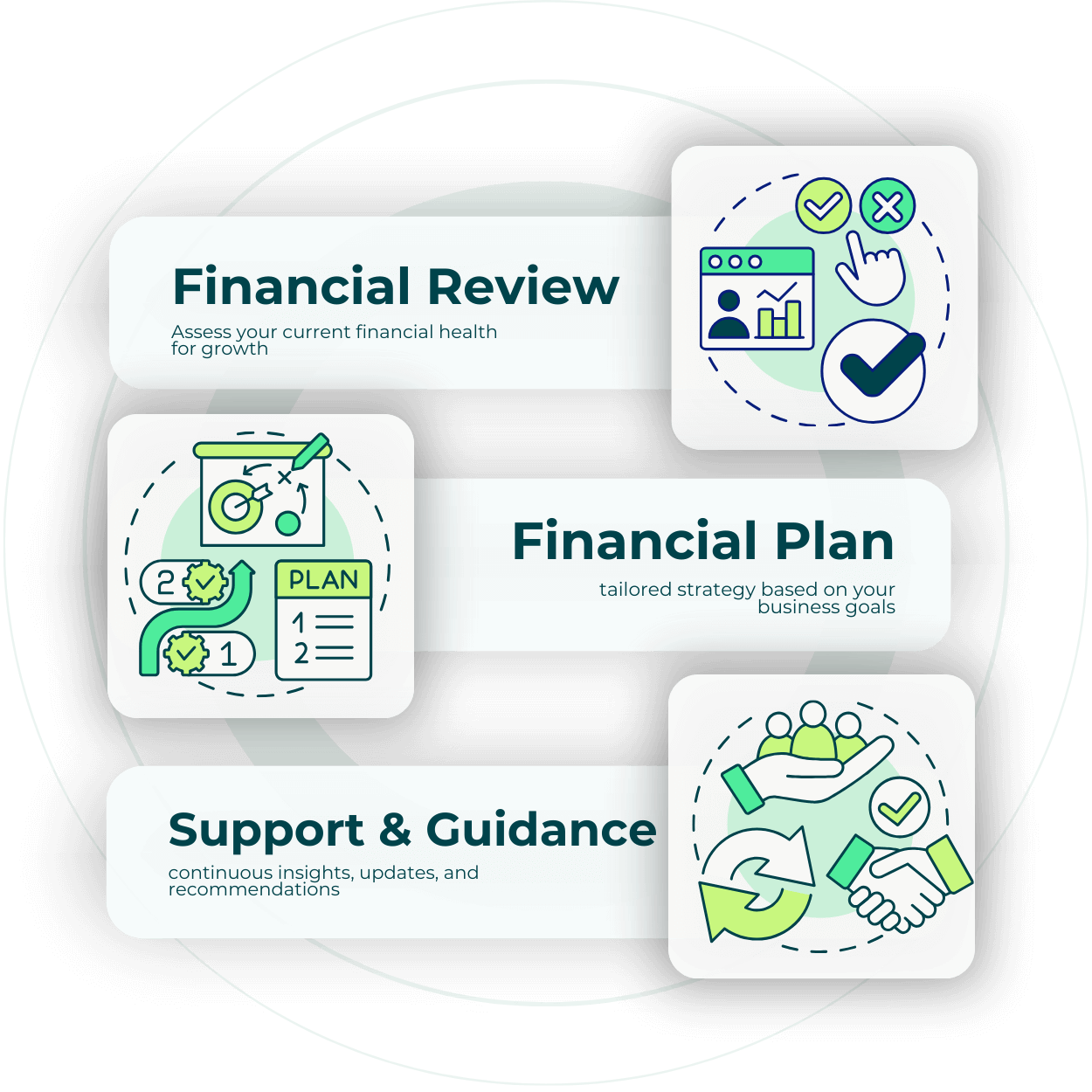
Bookkeeping tells you what already happened. A CFO tells you what it means and what to do next. These are the three pieces of that, in the order they matter.
Not a cost-cutting exercise. Your service mix, your pricing, your crew structure, and how much of your revenue depends on terms somebody else sets.
Mitigation, contents and rebuild do not earn the same way, and neither do program work and direct work. Most shops outgrow the model they started with and never notice, because the top line keeps going up while the margin quietly goes the other way.
One company-wide profit number hides almost everything worth knowing. We break profitability down by job, by service line, by crew, by carrier and by referral source.
The finding is rarely the obvious one. It is usually the busy work that is being subsidized by the quiet work, or the underbilled job that made the month look fine while draining the account.
Another truck. Another crew. A new territory. Signing a TPA program with worse terms and more volume. Buying equipment before year end. Every one of those is a bet.
We model it first: what it does to cash week by week, what it does to margin, when it breaks even, and what has to be true for it to work. You see the outcome while it is still reversible.

A financial partner who already knows the restoration industry, so you are not spending the first twenty minutes of every call explaining what a supplement is.
A deep read of your numbers: what changed, what caused it, and which of those you can act on.
Restoration industry benchmarking: your performance against monthly industry averages, so you know whether a number is bad or just normal for the trade.
Forward visibility: what is collectible, when it lands, and where the gaps fall.
No payroll surprises: the point of a forecast is that the hard week shows up on paper before it shows up in the bank account.
Prioritized actions: a short list of what matters most this month, in order, rather than a report you file unread.
Executive video summaries: a personal walkthrough of where you stand, so the numbers arrive with the context attached.
What you need depends on your size and on what you already have in-house. These are the usual shapes. We will tell you on the first call which one fits, including if the answer is none of them yet.
We keep the books restoration-correct, with job costing and WIP handled properly rather than bolted on at year end, and you get reporting you can actually read.
You already have a bookkeeper or a small accounting team. We oversee the work, tighten the close, and make sure what comes out of it is reliable enough to make decisions on.
The full engagement: job-level profitability, benchmarking, forecasting, scenario modeling, and a standing strategy conversation about where the business goes next.
Three steps, and the first one tells you whether the rest are worth doing.

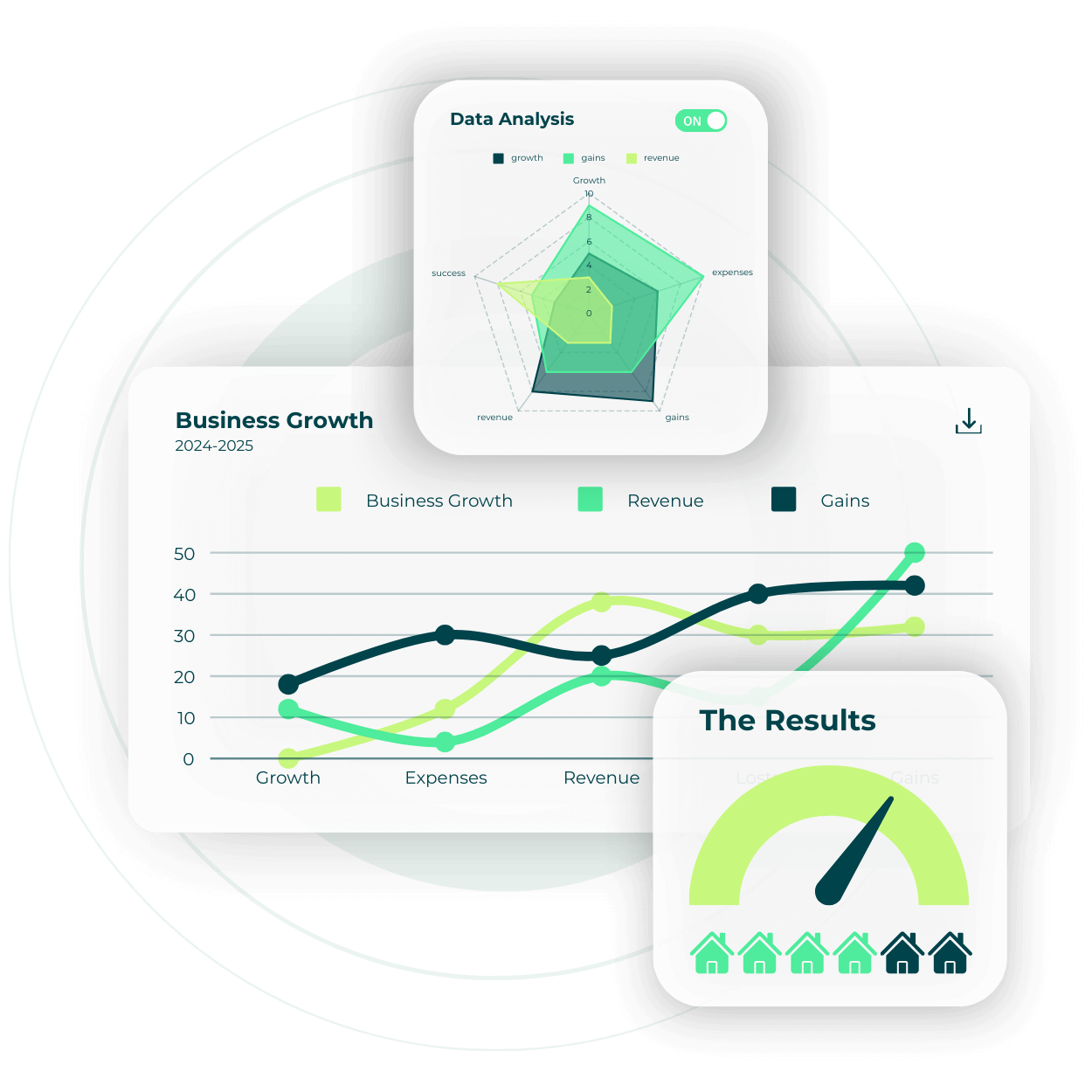
The Kiwi Cash Flow Scorecard is where the three pillars land every month. Built specifically for restoration contractors, it turns a pile of financial data into a short, ordered list of what to do about it.

Most financial help for contractors is either a bookkeeper who does not know the trade or a consultant who does not touch the books. We do both, and the reason it works is that the person reading your numbers has run a restoration company.
That means industry-specific KPIs and benchmarking rather than generic small-business ratios, and advice that accounts for how a claim actually pays.
Let’s schedule a call
Thirty minutes, no charge. Bring the decision you are sitting on or the number that has been bothering you. We will tell you what it would take to answer it, roughly what that costs, and honestly whether we are the right people for it.